
VOMIKAND O INJ.
Ondansetron Hydrochloride 4 mg/2 mL Injection
VOMIKAND O INJ. contains ondansetron, an antiemetic medicine used to prevent or treat nausea and vomiting in selected clinical situations. Injectable ondansetron may be used in healthcare settings for nausea and vomiting associated with certain medical treatments or after surgery, according to the treating clinician's assessment.
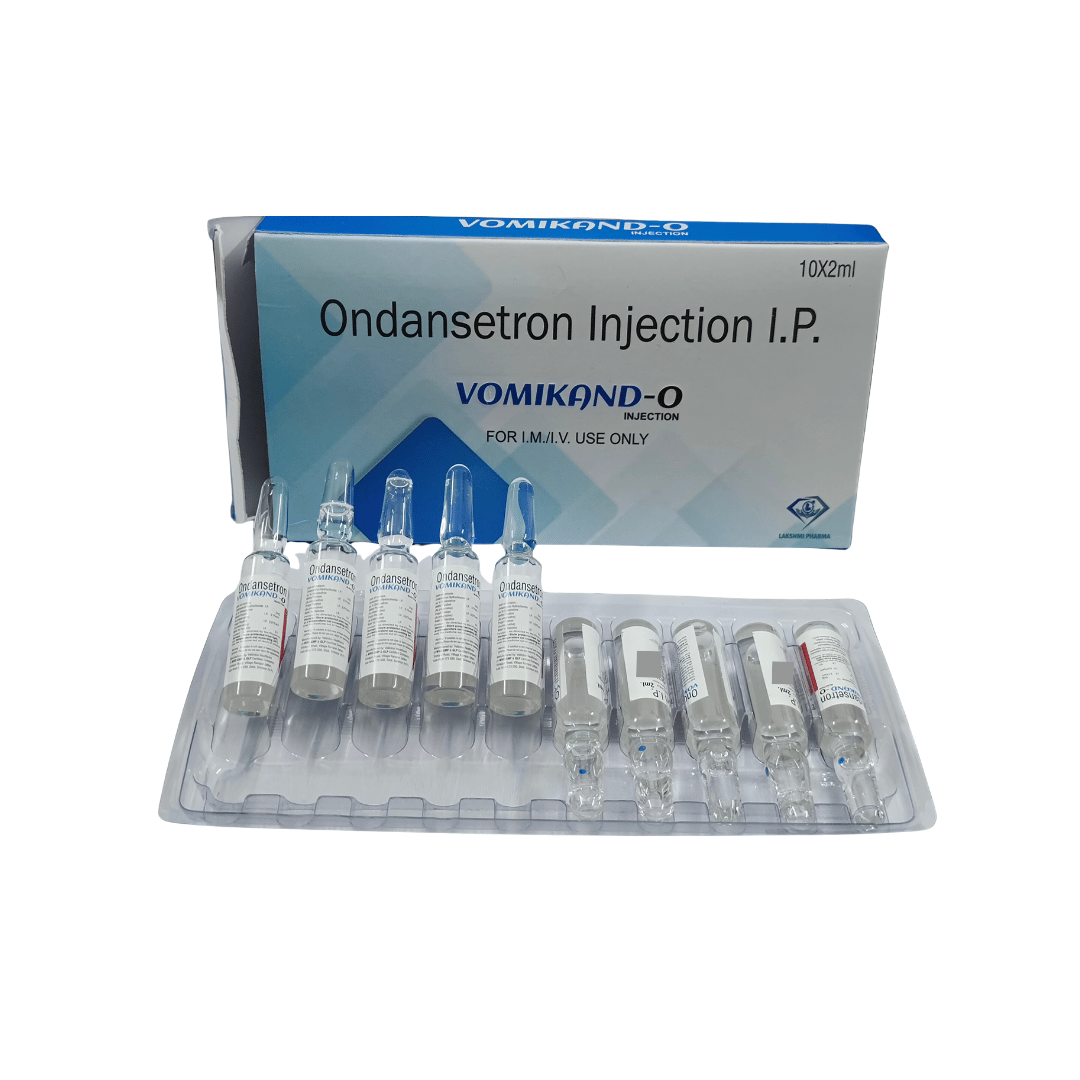
VOMIKAND O INJ. — Ondansetron 4 mg/2 mL
Composition
Active ingredient: Ondansetron Hydrochloride, equivalent to the stated strength of 4 mg in 2 mL, as provided in the product description.
Concentration: 2 mg/mL.
Confirm the exact formulation, route, storage conditions, and preparation instructions on the manufacturer's label and package insert before administration.
Product Introduction
Ondansetron belongs to a class of medicines called serotonin 5-HT3 receptor antagonists. It blocks serotonin signals involved in triggering nausea and vomiting. Injectable ondansetron is used in selected situations, including nausea and vomiting associated with certain chemotherapy regimens and postoperative care. The reason for treatment, dose, and route must be determined by a qualified healthcare professional.
Uses of Medicine
Nausea and vomiting associated with medical treatment
May be prescribed to prevent or control nausea and vomiting associated with certain chemotherapy or radiotherapy regimens, according to the treatment plan and approved product information.
Postoperative nausea and vomiting
May be used by healthcare professionals to prevent or treat nausea and vomiting associated with surgery and anaesthesia when clinically appropriate.
Benefits and Potential Benefits
- Helps prevent or reduce nausea and vomiting in approved clinical settings.
- May help patients tolerate selected medical treatments when prescribed as part of a planned antiemetic regimen.
- May reduce postoperative nausea and vomiting when used according to the clinician's instructions.
- Can be administered by trained healthcare professionals when an injectable formulation is required.
Effectiveness depends on the cause of nausea and vomiting, the treatment regimen, and the patient's response.
Possible Side Effects
Side effects vary between patients. Some are mild, while certain reactions require urgent medical attention.
Commonly reported effects
- Headache.
- Constipation or diarrhoea.
- A feeling of warmth or flushing.
- Dizziness or light-headedness.
- Injection-site discomfort or reactions may occur.
Serious adverse effects
- Changes in heart rhythm, including QT interval prolongation.
- Severe allergic reactions, including breathing difficulty or swelling.
- Possible serotonin syndrome, particularly with certain interacting medicines.
- Fainting, severe dizziness, or symptoms suggesting an abnormal heart rhythm.
How to Use
- VOMIKAND O INJ. must be administered by a qualified healthcare professional.
- The dose and route depend on the reason for treatment, the patient's age and medical condition, and the applicable clinical protocol.
- Intravenous administration must follow the approved product instructions for administration rate and any required dilution. Intramuscular use should occur only if permitted by the product's approved labelling.
- Do not self-inject or attempt to prepare or administer the medicine without appropriate training.
- Tell the healthcare team if vomiting continues, worsens, or is accompanied by severe abdominal pain, blood in vomit, confusion, or signs of dehydration.
No individual dosing schedule is provided here. The treating clinician should determine the dose and frequency for the specific indication.
How It Works
Ondansetron selectively blocks serotonin 5-HT3 receptors involved in signalling between the gastrointestinal tract and the brain's vomiting pathways. By reducing these signals, it helps prevent or control nausea and vomiting associated with certain treatments and clinical situations.
Safety Advice and Precautions
Heart rhythm conditions
Tell the clinician about congenital long QT syndrome, an irregular heartbeat, slow heart rate, heart failure, or a history of fainting. Ondansetron can prolong the QT interval and may increase the risk of serious arrhythmias in susceptible patients.
Electrolyte imbalance
Low potassium or magnesium can increase heart-rhythm risks. The healthcare team may need to check electrolytes and monitor the ECG in patients with relevant risk factors.
Other medicines
Report all medicines being used, particularly medicines that affect heart rhythm or serotonin signalling. Ondansetron must not be used with apomorphine because of the risk of profound low blood pressure and loss of consciousness.
Liver conditions
Tell the treating clinician about liver disease. Severe hepatic impairment may require dose restrictions according to the applicable product information.
Allergies and pregnancy
Tell the healthcare professional about previous reactions to ondansetron or similar medicines. Pregnancy and breastfeeding require an individual assessment of benefits and risks before use.
Persistent vomiting
Ondansetron may reduce vomiting without treating its cause. Ongoing symptoms, abdominal swelling, severe pain, or reduced bowel activity require clinical assessment, particularly after surgery or during chemotherapy.
Quick Tips
- Use only under medical supervision and follow the prescribed treatment plan.
- Provide the healthcare team with a complete list of medicines, supplements, allergies, and medical conditions.
- Report palpitations, fainting, or unusual dizziness promptly.
- Seek advice if vomiting persists or you cannot keep fluids down.
- Do not use leftover injectable medicine or share it with another person.
Important Medical Disclaimer
This page is for general educational purposes only and does not replace professional medical advice, diagnosis, or treatment. VOMIKAND O INJ. should be administered only by qualified healthcare professionals in accordance with the actual product label and approved prescribing information. The appropriate dose, route, and administration rate depend on the clinical indication and the patient's individual circumstances. Always consult a doctor or pharmacist for product-specific guidance.






