
PARAKAND Syrup
Paracetamol 125 mg Oral Suspension
PARAKAND Syrup contains paracetamol, also known as acetaminophen, a medicine used to relieve pain and reduce fever. It may be used for common symptoms such as headache, toothache, sore throat, and discomfort associated with minor illnesses, when appropriate for the patient's age and condition.
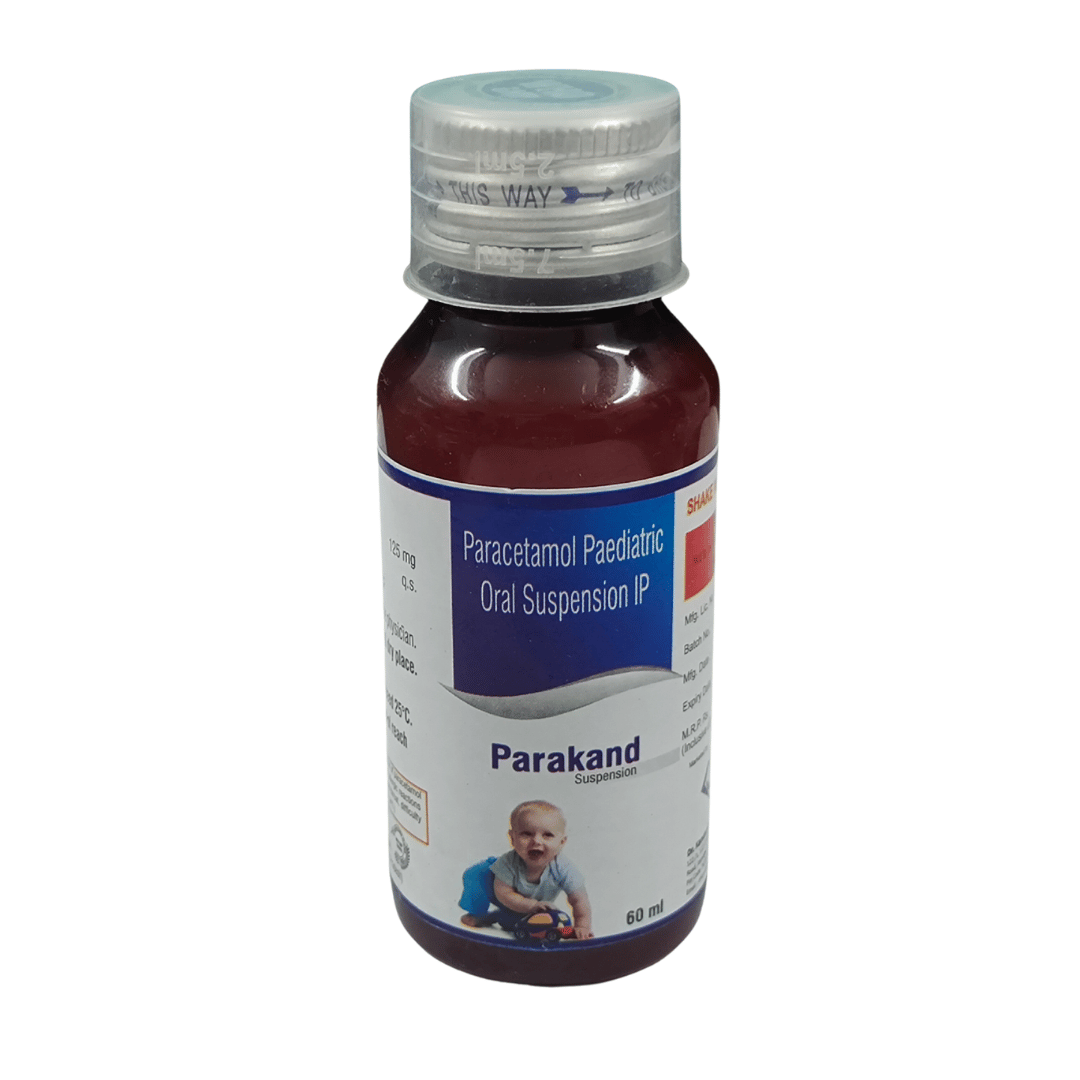
PARAKAND Oral Suspension — Paracetamol 125 mg
Composition
The supplied product details do not specify the volume in which 125 mg is present. Confirm the exact concentration, such as mg per 5 mL, from the bottle label or package insert before calculating or administering a dose.
Product Introduction
Paracetamol is an analgesic and antipyretic medicine. It helps relieve mild to moderate pain and reduce an elevated body temperature. Oral suspension is a liquid formulation that can be useful for patients who have difficulty swallowing tablets.
The correct amount depends on the product concentration and the patient's age, weight, medical history, and other medicines. For children, use particular care to avoid accidental overdosing.
Uses of PARAKAND Syrup
Fever Reduction
May help lower fever and relieve associated discomfort. Fever that is persistent, worsening, or accompanied by concerning symptoms requires medical assessment.
Headache and Body Ache
Can provide temporary relief from common aches and pains, including headaches and general body aches.
Toothache and Sore Throat
May help relieve discomfort from toothache, sore throat, and other minor painful conditions while the underlying cause is addressed.
Pain Associated with Minor Illnesses
May relieve aches and discomfort associated with colds and flu. It does not treat the virus or the underlying cause of an infection.
Potential Benefits
Pain Relief
May reduce common mild to moderate pain and improve comfort during short-term illnesses.
Fever Management
Can help reduce fever and associated discomfort when used according to the product instructions or professional advice.
Liquid Formulation
The oral suspension format may be easier to administer to patients who cannot comfortably swallow tablets.
Symptom Support
May help a person feel more comfortable while resting and recovering from a minor illness. Improvement in symptoms does not rule out a serious condition.
Possible Side Effects
Generally Well Tolerated
Paracetamol is generally well tolerated when taken correctly. Some people may experience nausea or other mild symptoms, although side effects are uncommon at recommended doses.
Allergic or Skin Reactions
Rarely, paracetamol can cause serious allergic reactions or severe skin reactions. Stop the medicine and seek urgent medical care if a severe rash, blistering, facial swelling, or breathing difficulty occurs.
Liver Injury from Overdose
Taking too much paracetamol can cause severe liver damage. Early symptoms may be mild or absent, so suspected overdose requires urgent medical attention even if the person initially feels well.
When to Seek Help
Seek medical advice for persistent symptoms, repeated vomiting, worsening fever, unusual weakness, yellowing of the eyes or skin, or any suspected excessive dose.
How to Use PARAKAND Syrup
- Use only according to the bottle label, package leaflet, or advice from a qualified healthcare professional.
- Confirm the concentration in mg per mL or mg per 5 mL before measuring any dose.
- For children, the dose should be based on the child's weight and age, the exact product concentration, and professional or label instructions.
- Shake the bottle if directed on the product label.
- Measure the liquid using the supplied oral syringe or a suitable calibrated medicine-measuring device. Do not use a household spoon.
- Do not give additional doses more frequently than instructed or exceed the recommended daily maximum.
- Check all other medicines for paracetamol to avoid accidentally taking the ingredient from multiple products.
How Does Paracetamol Work?
Paracetamol acts mainly through the central nervous system to reduce the perception of pain and help regulate body temperature. Its precise mechanism is not completely understood. It is not an antibiotic and does not eliminate the microorganisms responsible for an infection.
Safety Advice and Precautions
Avoid Duplicate Ingredients
Do not combine PARAKAND with another paracetamol-containing medicine unless a healthcare professional has confirmed the total amount is appropriate.
Liver Conditions
Consult a healthcare professional before use if the patient has liver disease, a history of liver problems, or other risk factors for liver injury.
Young Children
For infants and young children, confirm the correct product, concentration, dose, and suitability with a healthcare professional. Do not estimate a dose from age alone when the label or clinical guidance requires weight-based dosing.
Other Medicines
Tell a doctor or pharmacist about other medicines, including combination cold and flu products. Some medicines may affect the safety of paracetamol or increase the risk of adverse effects.
Persistent Fever or Pain
Seek medical advice if fever worsens, lasts longer than recommended by the product leaflet, or is associated with serious symptoms. Do not keep treating persistent symptoms without assessment.
Suspected Overdose
Get urgent medical help immediately if more than the recommended amount may have been taken, even if there are no obvious symptoms. Do not wait for signs of liver damage.
Quick Tips
- Check the product name, concentration, package integrity, and expiry date before use.
- Keep the bottle tightly closed and follow the storage instructions on the label.
- Use a calibrated measuring device for accurate liquid doses.
- Keep the medicine out of the reach of children.
- Do not share medicine or use another person's dosing instructions.
- Ask a pharmacist or doctor if the concentration or the correct dose is unclear.






