
PANKAND-L Capsules
Pantoprazole 40 mg + Levosulpiride 75 mg
PANKAND-L Capsules contain pantoprazole and levosulpiride, two medicines that work in different ways. Pantoprazole reduces stomach acid production, while levosulpiride can affect gastrointestinal movement and the passage of food through the digestive system. This combination may be prescribed for selected patients with reflux or indigestion symptoms when a clinician considers both medicines appropriate.
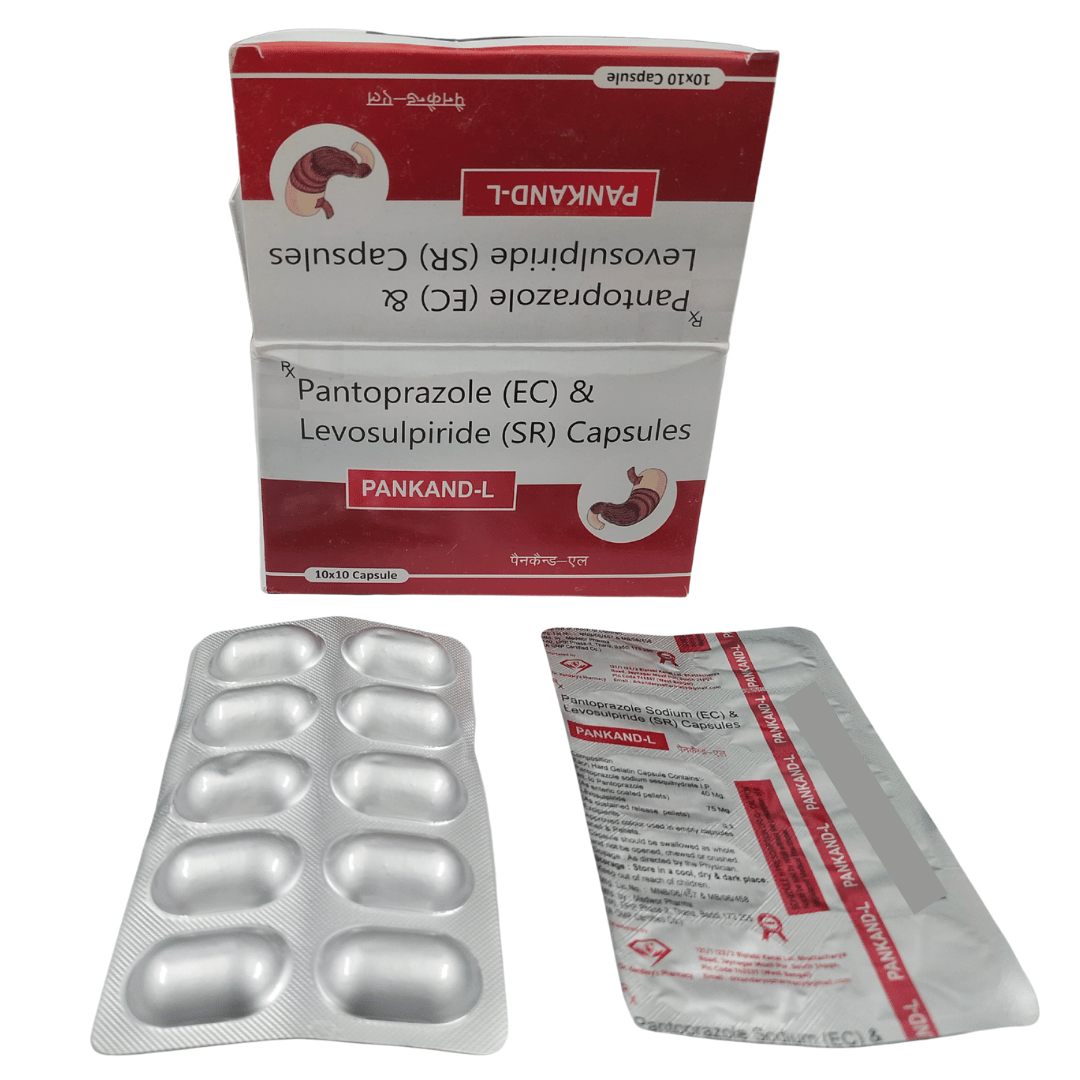
PANKAND-L Capsules — Pantoprazole 40 mg + Levosulpiride 75 mg
Composition
Levosulpiride: 75 mg
The supplied product information does not specify the release formulation of either ingredient. Check the actual packaging or package insert to confirm whether the capsule contains enteric-coated pantoprazole and sustained-release levosulpiride before describing those features as confirmed.
Product Introduction
PANKAND-L combines an acid-suppressing medicine with a medicine that influences gastrointestinal motility. It may be prescribed for selected cases of gastroesophageal reflux disease (GERD), reflux-related discomfort, or functional dyspepsia when treatment with both ingredients is considered appropriate.
This is a prescription combination, not a routine remedy for every episode of acidity or stomach discomfort. The need for levosulpiride and the duration of treatment should be reviewed by a healthcare professional.
Uses of PANKAND-L Capsules
Acid Reflux and GERD
Pantoprazole reduces stomach acid and may help relieve acid-related symptoms in people with appropriately diagnosed reflux disease.
Functional Dyspepsia
In selected patients, levosulpiride may be prescribed for symptoms associated with functional dyspepsia, such as upper abdominal discomfort or a feeling of fullness after meals.
Reflux-Associated Digestive Symptoms
A clinician may consider this combination when reflux symptoms coexist with certain motility-related complaints and both ingredients are judged necessary.
Individualised Treatment
The combination is not suitable for everyone with acidity, bloating, nausea, or indigestion. The cause of symptoms and the risks of levosulpiride must be assessed before treatment.
Potential Benefits
Reduces Stomach Acid
Pantoprazole lowers gastric acid secretion and may help manage acid-related symptoms and support healing in appropriate conditions.
Supports Gastrointestinal Motility
Levosulpiride can influence gastrointestinal movement and may improve selected dyspeptic symptoms in patients who are suitable for this medicine.
Combined Treatment Approach
The two ingredients target different mechanisms, which may be useful in carefully selected cases where a clinician considers combination therapy justified.
Symptom Management
Some patients may experience improvement in heartburn, reflux-related discomfort, or indigestion symptoms. Response varies, and symptom relief does not establish the underlying diagnosis.
Possible Side Effects
Commonly Reported Effects
- Nausea or vomiting
- Abdominal discomfort
- Diarrhoea or constipation
- Headache
- Dizziness or drowsiness
- Gas or other digestive discomfort
Levosulpiride-Related Effects
- Raised prolactin levels, which may cause breast discharge, breast enlargement, or menstrual changes
- Restlessness, tremor, stiffness, or unusual involuntary movements
- Drowsiness or postural dizziness
- Rare but serious movement or neurological reactions
How to Use PANKAND-L Capsules
- Use only when prescribed by a qualified healthcare professional.
- Follow the prescribed dose, timing, and treatment duration exactly.
- Check the product leaflet for instructions on food timing and swallowing. Do not crush, chew, or open the capsule unless the specific product instructions and a healthcare professional confirm that it is appropriate.
- Do not take extra doses if symptoms continue or return.
- If you miss a dose, follow the package leaflet or ask a pharmacist. Do not double the next dose.
- Do not drive or operate machinery if the medicine causes drowsiness or dizziness.
How Does PANKAND-L Work?
Pantoprazole
Pantoprazole inhibits the proton pump in acid-producing cells of the stomach. This reduces gastric acid secretion and helps control acid-related symptoms.
Levosulpiride
Levosulpiride acts mainly through dopamine D2 receptor blockade and can influence gastrointestinal motility. This action may help selected dyspeptic symptoms, but it can also cause neurological and hormone-related adverse effects.
Safety Advice and Precautions
Neurological Conditions
Tell your clinician about Parkinson's disease, seizure disorders, previous movement disorders, or any history of involuntary movements before using levosulpiride.
Hormonal Effects
Levosulpiride may raise prolactin levels. Discuss a history of high prolactin, menstrual irregularities, breast discharge, or hormone-sensitive conditions with your clinician.
Heart and Other Medicines
Tell your healthcare professional about all medicines, especially those that cause drowsiness or may affect heart rhythm. Ask about interactions and whether monitoring is needed.
Pregnancy and Breastfeeding
Seek medical advice before use if you are pregnant, planning pregnancy, or breastfeeding. The clinician should assess the risks and benefits of both ingredients.
Kidney or Liver Problems
Inform your clinician if you have kidney or liver disease. Your suitability for treatment and the appropriate regimen may depend on your medical history and organ function.
Warning Symptoms
Seek urgent assessment for vomiting blood, black stools, severe abdominal pain, difficulty swallowing, unexplained weight loss, or persistent vomiting rather than treating these symptoms yourself.
Quick Tips
- Check the brand, ingredients, strength, package integrity, and expiry date before use.
- Store the capsules according to the product packaging.
- Keep this prescription medicine out of the reach of children.
- Avoid alcohol and use caution with activities requiring alertness if you experience drowsiness or dizziness.
- Use the combination for the shortest duration considered appropriate by your prescriber, with review if symptoms persist.
- Do not share this medicine with another person, even if their symptoms seem similar.






