
PANKAND 40 Tablet
Pantoprazole 40 mg Tablet
PANKAND 40 Tablet contains pantoprazole, a proton pump inhibitor (PPI) that reduces the production of acid in the stomach. It may be prescribed for certain acid-related digestive conditions, including gastroesophageal reflux disease (GERD) and inflammation or damage to the food pipe caused by stomach acid.
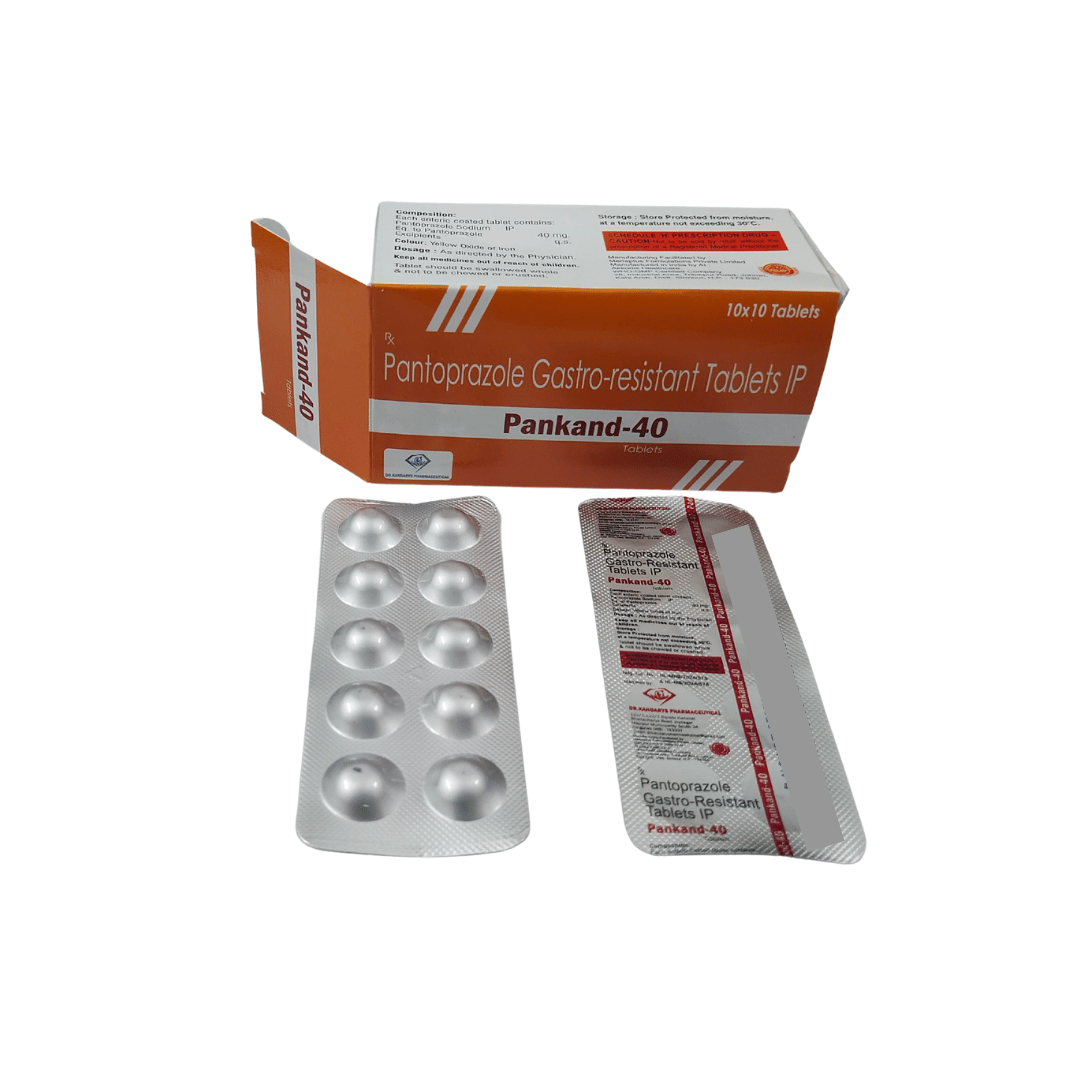
PANKAND 40 Tablet — Pantoprazole 40 mg
Composition
The exact salt, tablet coating, and release characteristics should be verified from the product packaging. Do not assume the formulation is identical to another pantoprazole brand.
Product Introduction
Pantoprazole belongs to a class of medicines known as proton pump inhibitors. It reduces gastric acid secretion and can help relieve symptoms associated with excessive stomach acid. It may also support the healing of acid-related damage to the oesophagus when prescribed for an appropriate condition.
The response to treatment varies by person and condition. Persistent or recurring digestive symptoms may require further medical assessment rather than simply continuing acid-suppressing medication.
Uses of PANKAND 40 Tablet
Acid Reflux and GERD
May be prescribed for gastroesophageal reflux disease, a condition in which stomach contents flow back into the oesophagus and can cause heartburn or irritation.
Erosive Oesophagitis
Can be used to help heal acid-related inflammation and damage to the oesophagus when diagnosed by a healthcare professional.
Stomach and Duodenal Ulcer Management
Pantoprazole may be included in a clinician-directed treatment plan for selected ulcer-related conditions. Treatment depends on the cause; an H. pylori infection, for example, requires an appropriate combination regimen.
Excessive Acid Secretion
It may be prescribed for certain rare conditions involving excessive stomach acid production, such as Zollinger–Ellison syndrome, under specialist supervision.
Potential Benefits
Acid Reduction
Reduces the amount of acid produced in the stomach, helping manage appropriately diagnosed acid-related conditions.
Symptom Relief
May help reduce heartburn, acid reflux symptoms, and acid-related irritation when used for the correct indication.
Supports Healing
Reduced acid exposure can support the healing of acid-related damage to the oesophagus in suitable patients.
Prescription-Based Treatment
Provides an oral treatment option that a healthcare professional can incorporate into a condition-specific treatment plan.
Possible Side Effects
Possible Side Effects
- Headache
- Diarrhoea
- Nausea or vomiting
- Abdominal discomfort
- Constipation or gas
- Dizziness or joint discomfort
Serious Reactions
Rare but serious problems can include severe allergic or skin reactions, kidney inflammation, and persistent severe diarrhoea. Seek urgent medical care for breathing difficulty, facial or throat swelling, a blistering rash, or other severe symptoms.
Long-term or high-dose use may be associated with risks such as low magnesium, vitamin B12 deficiency, certain intestinal infections, and fractures in some patients. The risks depend on treatment duration and individual health factors.
How to Use PANKAND 40 Tablet
- Take this medicine only as prescribed by a qualified healthcare professional.
- Follow the prescribed dose, timing, and duration. The correct regimen depends on the condition being treated.
- If the product is a delayed-release or enteric-coated tablet, swallow it according to the package instructions; do not crush or chew it unless the specific product instructions permit this.
- Ask a doctor or pharmacist whether it should be taken before a meal for your prescribed regimen.
- If you miss a dose, follow the patient leaflet or ask a pharmacist. Do not double the next dose to compensate.
- Do not extend treatment or stop a long-term prescribed regimen without discussing it with your clinician.
How Does Pantoprazole Work?
Pantoprazole inhibits the hydrogen-potassium ATPase enzyme system, commonly called the proton pump, in acid-producing cells of the stomach. By reducing the final step of gastric acid secretion, it decreases stomach acidity and helps create conditions that support healing of acid-related irritation or damage.
Safety Advice and Precautions
Allergies and Medical History
Tell your healthcare professional if you have had an allergic reaction to pantoprazole or another proton pump inhibitor, or if you have liver disease or a history of kidney inflammation.
Medicine Interactions
Inform your clinician about all medicines and supplements you take. Pantoprazole may interact with certain treatments, including rilpivirine-containing medicines and drugs whose absorption depends on stomach acidity.
Pregnancy and Breastfeeding
Seek advice from a healthcare professional before use if you are pregnant, planning pregnancy, or breastfeeding. The treatment decision should consider your individual circumstances.
Long-Term Treatment
Use the lowest effective dose for the duration recommended by your clinician. If treatment is prolonged, your clinician may assess whether monitoring or a review of continued need is appropriate.
Warning Symptoms
Seek prompt medical assessment for unexplained weight loss, difficulty swallowing, repeated vomiting, vomiting blood, black stools, or persistent or severe abdominal pain.
Not Improving?
If symptoms persist, worsen, or return frequently despite treatment, consult a healthcare professional rather than increasing the dose yourself.
Quick Tips
- Check the product name, strength, packaging, and expiry date before use.
- Store the tablets according to the instructions printed on the package.
- Keep the medicine out of the reach of children.
- Do not share prescription medicines with another person.
- Remember that symptom improvement does not rule out every serious digestive condition.






