
PAINKAND-SP TABLET
Diclofenac Potassium 50 mg + Serratiopeptidase 10 mg + Paracetamol 325 mg
PAINKAND-SP TABLET is a combination medicine containing diclofenac potassium, serratiopeptidase and paracetamol. It may be prescribed for selected painful inflammatory conditions where a healthcare professional considers this combination appropriate.
Diclofenac helps reduce pain and inflammation, while paracetamol provides additional pain relief. Serratiopeptidase is an enzyme used in some formulations for inflammatory swelling, although strong clinical evidence supporting its benefits remains limited.
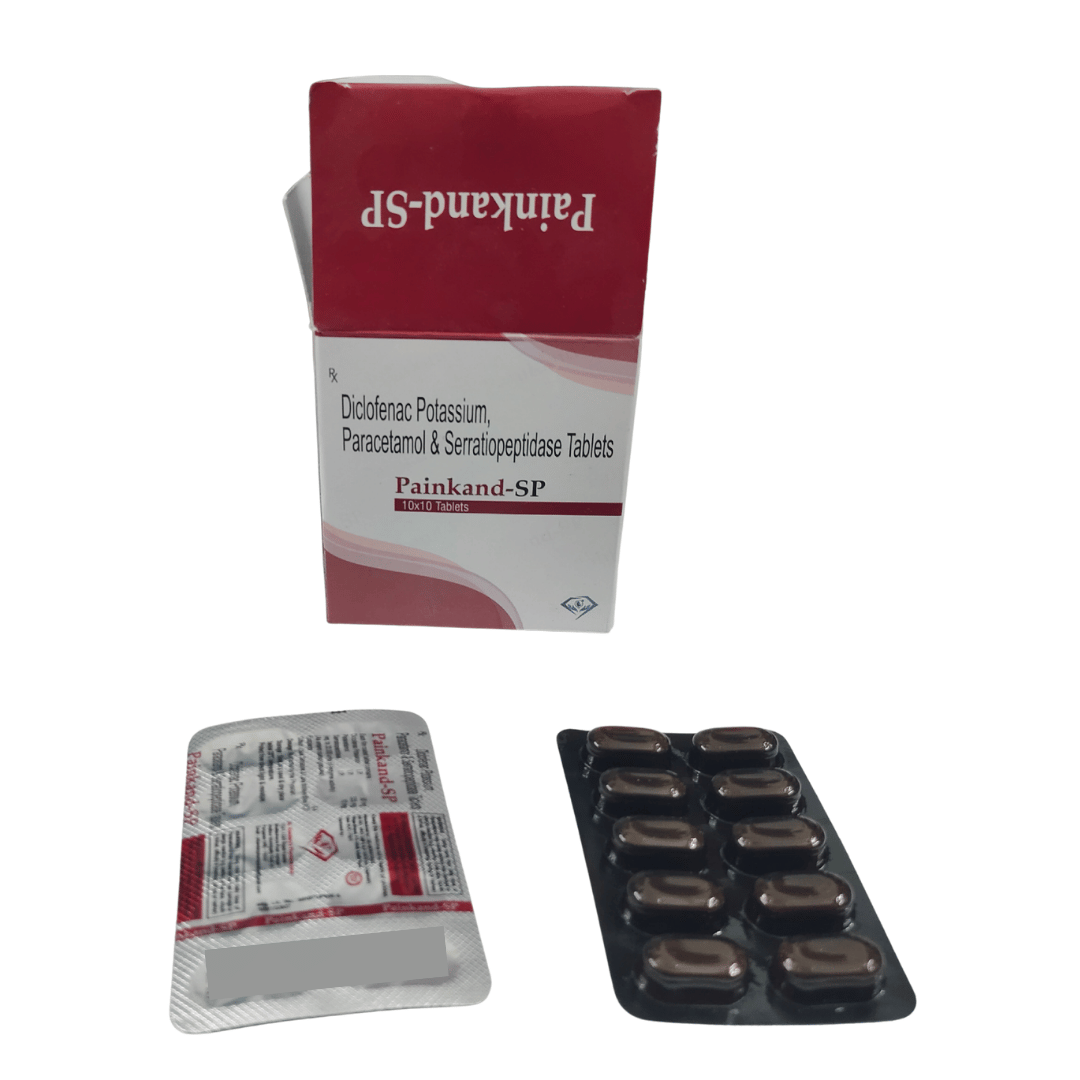
Product image for identification. Check the actual packaging for complete product details.
Composition
- Diclofenac Potassium — 50 mg: A non-steroidal anti-inflammatory drug (NSAID) that reduces pain and inflammation.
- Serratiopeptidase — 10 mg: A proteolytic enzyme included in some formulations intended to help manage inflammatory swelling. Evidence supporting its clinical benefits is limited.
- Paracetamol — 325 mg: An analgesic that helps relieve pain and can reduce fever.
Product Introduction
Pain and swelling can occur with injuries, dental procedures and other inflammatory musculoskeletal conditions. Depending on the diagnosis, a clinician may prescribe an anti-inflammatory medicine with an additional pain reliever to manage symptoms.
Diclofenac reduces the production of substances involved in pain and inflammation, while paracetamol acts through pain-processing pathways. Serratiopeptidase is included in some combination products, but evidence for its effectiveness and long-term safety is less certain than for established pain-relieving medicines.
PAINKAND-SP TAB does not treat every cause of pain or replace treatment of the underlying condition. Use it only as directed by a qualified healthcare professional.
Uses of PAINKAND-SP TAB
Pain with Inflammation
Diclofenac and paracetamol may help relieve selected painful inflammatory conditions when prescribed after appropriate clinical assessment.
Musculoskeletal Discomfort
A clinician may consider this type of combination for certain episodes of muscle, joint or soft-tissue pain where an anti-inflammatory medicine is appropriate.
Dental or Procedure-Related Pain
Some pain-relief combinations are used for selected dental or post-procedure discomfort. The appropriate treatment depends on the procedure, the severity of symptoms and the patient's medical history.
Inflammatory Swelling
Serratiopeptidase is used in some products intended to address swelling, but high-quality evidence supporting its added clinical benefit is insufficient. Its presence does not guarantee faster healing.
These are general contexts associated with the ingredients, not confirmation of every approved indication for PAINKAND-SP TAB. The prescribing clinician should determine whether this product is suitable.
Potential Benefits
- Diclofenac may reduce pain and inflammation in suitable patients.
- Paracetamol provides additional pain-relieving action.
- The combination may help manage symptoms in selected painful inflammatory conditions.
- Serratiopeptidase is included for its proposed role in swelling, although clinical evidence for its added benefit remains uncertain.
The response varies between individuals. This medicine does not guarantee recovery or replace appropriate treatment, rest or rehabilitation when needed.
Possible Side Effects
Commonly Reported Effects
- Nausea or stomach discomfort.
- Indigestion or abdominal pain.
- Diarrhoea or other digestive upset.
- Dizziness or headache.
- Skin rash or other sensitivity reactions.
Serious Potential Effects
- Stomach or intestinal ulcers and bleeding associated with diclofenac.
- Kidney problems, fluid retention or increased blood pressure.
- Liver injury, including from excessive paracetamol intake.
- Serious allergic or skin reactions.
- Possible increased bleeding or bruising risk with certain medicines; serratiopeptidase safety data are limited.
How to Use PAINKAND-SP TAB
- Take the tablet only in the dose and for the duration prescribed by your healthcare professional.
- Follow the package leaflet or pharmacist's instructions about taking the tablet with food.
- Do not take additional diclofenac or other NSAIDs, such as ibuprofen or naproxen, unless your clinician specifically instructs you to do so.
- Check other pain, cold and flu medicines for paracetamol or acetaminophen to avoid duplicate doses.
- Tell your clinician if you take anticoagulants, antiplatelet medicines or other products that may affect bleeding.
- Do not increase the dose or repeat a course because pain returns without seeking medical advice.
No individual dosage schedule is provided here because safe use depends on the diagnosis, other medicines, medical history and clinical assessment.
How It Works
Diclofenac Potassium
Diclofenac inhibits cyclooxygenase enzymes, reducing the production of prostaglandins involved in pain and inflammation. It can relieve symptoms but may also cause gastrointestinal, kidney and cardiovascular adverse effects.
Paracetamol
Paracetamol acts mainly through central pain-processing pathways to relieve pain and reduce fever. Taking more than the recommended amount can cause severe liver injury.
Serratiopeptidase
Serratiopeptidase is a proteolytic enzyme proposed to influence inflammatory swelling. Its precise clinical role is not firmly established, and available studies have limitations regarding effectiveness and safety.
Safety Advice and Precautions
Stomach Ulcers and Bleeding
Diclofenac can cause serious stomach or intestinal ulcers and bleeding. Tell your clinician if you have a history of ulcers, gastrointestinal bleeding or persistent digestive problems.
Kidney and Heart Conditions
Diclofenac may worsen kidney function, cause fluid retention, raise blood pressure and increase cardiovascular risks in some patients. Seek advice if you have kidney disease, heart failure, hypertension or cardiovascular disease.
Liver Health
Paracetamol and diclofenac can cause liver injury. Avoid exceeding the prescribed dose, disclose liver disease and seek advice before use if you regularly consume alcohol or take other medicines that may affect the liver.
Bleeding Risk and Interactions
Inform your clinician if you take warfarin, aspirin, clopidogrel, other anticoagulants or antiplatelet medicines. The safety and interaction profile of serratiopeptidase is not fully established, so professional review is particularly important.
Pregnancy and Breastfeeding
Diclofenac and other NSAIDs can pose risks during pregnancy, particularly from around 20 weeks onward, and are generally avoided later in pregnancy unless specifically directed by a specialist. Consult your clinician before use while pregnant, planning pregnancy or breastfeeding.
Asthma and Allergies
Tell your clinician if aspirin or other NSAIDs have triggered asthma, wheezing, swelling or an allergic reaction. Do not use the medicine if you have a known allergy to its ingredients unless a qualified clinician has assessed the situation.
Other Pain Medicines
Check every medicine label for paracetamol or acetaminophen. Taking multiple products containing the same ingredient can result in accidental overdose and severe liver injury.
Older Adults and Other Conditions
Older adults may be more vulnerable to gastrointestinal bleeding and kidney complications. Tell your clinician about chronic illnesses and all medicines or supplements before starting treatment.
Quick Tips for Responsible Use
- Use PAINKAND-SP TAB only for the condition for which it was prescribed.
- Use the lowest effective dose for the shortest duration recommended by your clinician.
- Do not combine it with other diclofenac, NSAID or paracetamol-containing products without professional advice.
- Seek medical advice if pain persists, worsens or repeatedly returns.
- Seek urgent assessment for severe pain after a significant injury, new weakness or numbness, or loss of bladder or bowel control.
- Store the tablets according to the package instructions and keep them out of children's reach.






