
PANKAND 40 Injection
Pantoprazole 40 mg Injection
PANKAND 40 Injection contains pantoprazole, a proton pump inhibitor (PPI) that reduces the amount of acid produced in the stomach. Healthcare professionals may use injectable pantoprazole when acid-suppressing treatment is needed and oral medication is not suitable, depending on the patient's condition.
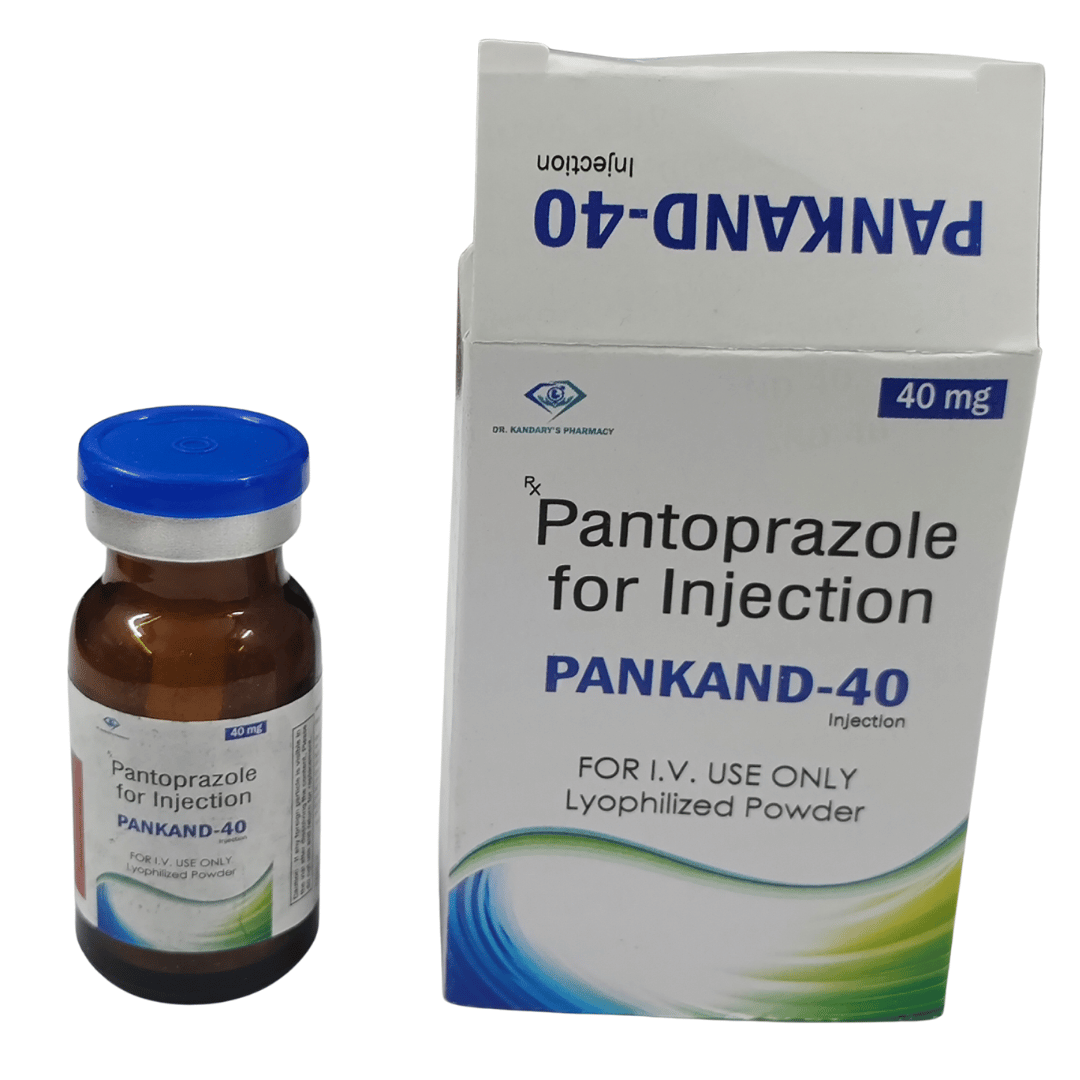
PANKAND 40 Injection — Pantoprazole 40 mg
Composition
Please check the vial and package insert for the exact formulation, manufacturer details, and preparation instructions.
Product Introduction
Pantoprazole works by inhibiting the stomach's acid-producing proton pumps. Reducing acid secretion can help manage certain acid-related gastrointestinal conditions. The injectable form is generally administered by trained healthcare professionals when clinically appropriate.
The need for injectable treatment, its duration, and any switch to oral therapy depend on the diagnosis, clinical response, and treating clinician's assessment.
Uses of PANKAND 40 Injection
Acid-Related Conditions
Pantoprazole may be prescribed for certain conditions associated with excessive stomach acid, including gastroesophageal reflux disease (GERD) with erosive oesophagitis, when injectable treatment is appropriate.
Excessive Acid Secretion
Under specialist supervision, pantoprazole may be used for pathological hypersecretory conditions, such as Zollinger–Ellison syndrome. The required regimen depends on the condition and clinical assessment.
Potential Benefits
Reduces Stomach Acid
Helps decrease gastric acid secretion, which may support the treatment of appropriately diagnosed acid-related conditions.
Injectable Treatment Option
Can provide an alternative to oral pantoprazole when a clinician determines that injectable treatment is necessary or more appropriate.
Possible Side Effects
Possible Common Effects
- Headache
- Nausea or vomiting
- Diarrhoea or constipation
- Abdominal discomfort
- Injection-site discomfort or irritation
Serious Reactions
Rare but serious reactions can include severe allergy, kidney inflammation, severe or persistent diarrhoea, and serious skin reactions. Seek urgent medical care for breathing difficulty, facial or throat swelling, blistering rash, or other severe symptoms.
Side effects vary from person to person. Report new, persistent, or worsening symptoms to the treating healthcare professional.
How to Use PANKAND 40 Injection
- Use only when prescribed or authorised by a qualified healthcare professional.
- Administration must be performed by trained healthcare personnel according to the product's approved instructions.
- The prescribed dose, route, frequency, dilution, and administration rate depend on the indication and the specific product label.
- Do not self-inject, prepare the solution, or change the prescribed treatment without professional guidance.
- When appropriate, the clinician may transition the patient to oral pantoprazole once oral treatment is suitable.
How Does Pantoprazole Work?
Pantoprazole belongs to a group of medicines called proton pump inhibitors. It blocks the hydrogen-potassium ATPase enzyme system, commonly known as the proton pump, in acid-secreting cells of the stomach. This reduces the amount of acid released into the stomach and helps control acid-related symptoms and conditions.
Safety Advice and Precautions
Allergies and Medical History
Inform the healthcare professional about any previous allergy to pantoprazole or other proton pump inhibitors, liver problems, kidney problems, or other significant medical conditions.
Other Medicines
Provide a complete list of medicines and supplements. Pantoprazole can interact with certain treatments, including rilpivirine-containing products and medicines whose absorption depends on stomach acidity.
Pregnancy and Breastfeeding
Tell the treating clinician if you are pregnant, planning pregnancy, or breastfeeding. Treatment should be selected after an individual assessment of potential benefits and risks.
Persistent or Severe Symptoms
Persistent symptoms require medical evaluation. Vomiting blood, black stools, severe abdominal pain, fainting, or difficulty swallowing warrant urgent medical assessment.
Quick Tips
- Check the brand name, active ingredient, strength, packaging, and expiry date before use.
- Follow the storage instructions printed on the actual package.
- Do not use a damaged, compromised, or improperly stored vial.
- Do not share injectable medicines or reuse single-use supplies.
- Ask the healthcare professional whether and when oral treatment may be appropriate.






