
MEROKAND-S 1.5G Injection
Meropenem and Sulbactam Injection
MEROKAND-S 1.5G is described as a combination injectable antibiotic containing meropenem and sulbactam. Such medicines may be used by healthcare professionals for selected bacterial infections when the prescribed combination is appropriate for the infection and the likely or confirmed bacteria.
This injection must be administered by trained healthcare professionals in an appropriate clinical setting. The exact ingredient strengths, approved indications, preparation instructions and route must be confirmed from the vial label and manufacturer's package insert before use.
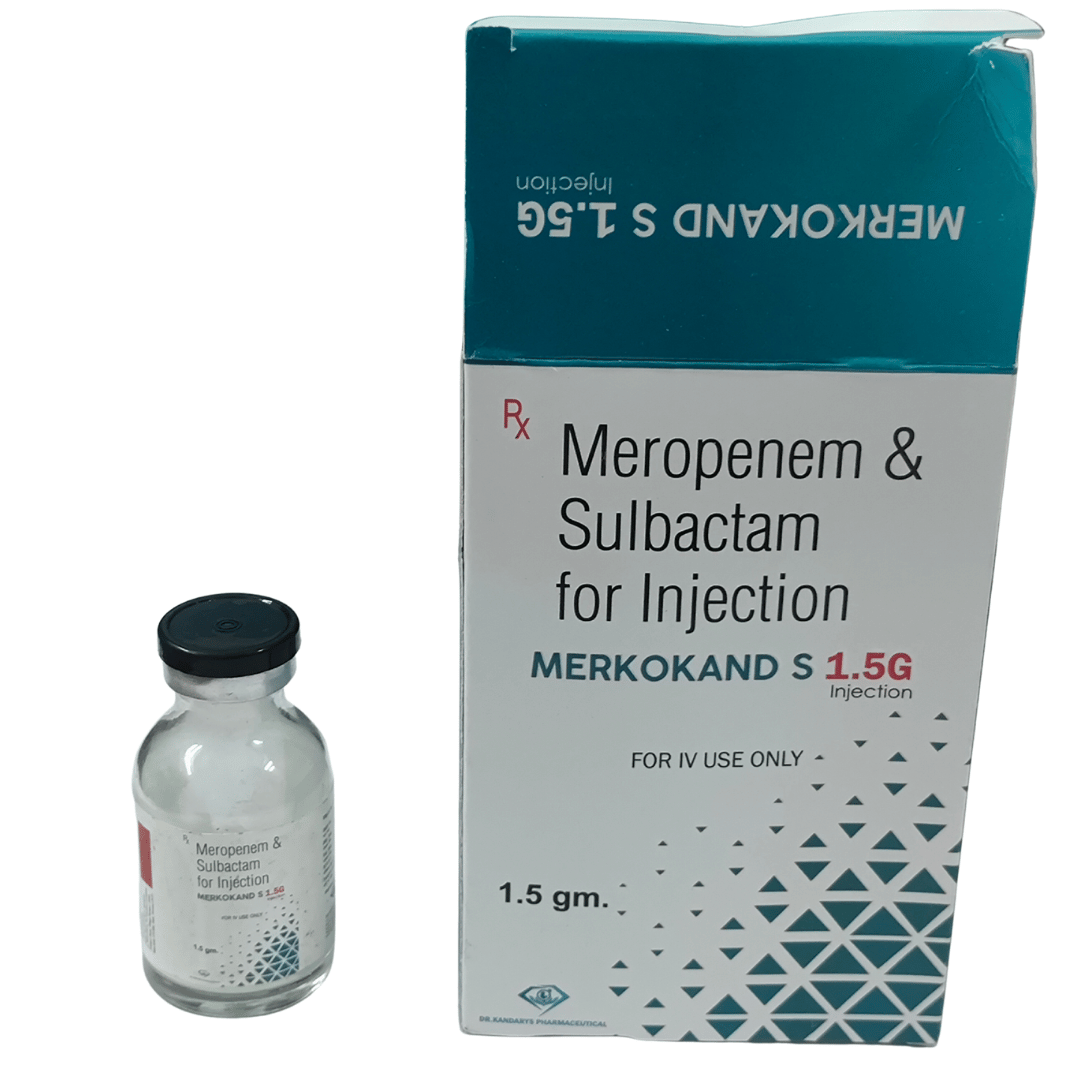
Product image for identification. Confirm the complete composition and administration instructions from the actual vial and package insert.
1. Composition
According to the supplied product information, MEROKAND-S 1.5G Injection is described as containing:
2. Product Introduction
Meropenem is a broad-spectrum beta-lactam antibiotic from the carbapenem group. Sulbactam is a beta-lactamase inhibitor in certain antibiotic combinations. The exact activity and approved use of a combination depend on the specific formulation, the bacteria involved and the relevant prescribing information.
MEROKAND-S 1.5G should be used only when prescribed by a qualified clinician. The selection of an injectable antibiotic may depend on the severity and site of infection, microbiology results, previous antibiotic exposure, kidney function and the patient's overall clinical condition.
3. Uses of Medicine
Depending on the verified formulation and the clinician's assessment, this type of injectable antibiotic combination may be considered for selected bacterial infections when the organisms are susceptible and the medicine is appropriate.
- Selected serious or complicated bacterial infections under specialist supervision.
- Infections for which clinical assessment and, when appropriate, culture and susceptibility testing support its use.
- Hospital-based treatment when an injectable antibiotic is clinically indicated.
4. Benefits / Potential Benefits
When the verified formulation is appropriate for a susceptible bacterial infection, potential benefits of a prescribed antibiotic regimen may include:
- Treatment of susceptible bacterial infections.
- Use in a monitored clinical setting where injectable treatment is required.
- Selection of an antibiotic regimen tailored to the infection, laboratory results and patient-specific factors.
Clinical response depends on the infection, the bacteria's susceptibility, the correct prescribed regimen and the patient's health. Antibiotics do not treat viral infections, and broader-spectrum treatment is not automatically better for every infection.
5. Possible Side Effects
Side effects associated with meropenem-containing treatment can include:
- Nausea, vomiting or diarrhoea.
- Headache or skin rash.
- Injection-site or infusion-related reactions.
- Changes in certain blood-test results, including liver enzymes or blood-cell counts.
Serious reactions requiring urgent assessment
- Severe allergic reaction, facial or throat swelling, or difficulty breathing.
- Severe skin rash, blistering or peeling.
- Seizures, marked confusion or other significant neurological symptoms.
- Severe, persistent or bloody diarrhoea, which may occur during or after antibiotic treatment.
The exact side-effect profile of this combination must be checked against its approved product information. Tell the treating team immediately if a concerning symptom develops during or after administration.
6. How to Use
- Use MEROKAND-S 1.5G only on a qualified healthcare professional's prescription.
- Administration must be performed by trained healthcare staff using the product-specific instructions.
- The route, dose, interval, duration, reconstitution fluid, dilution and infusion rate must be taken from the verified product insert and prescriber's order.
- Do not attempt to reconstitute or inject the medicine yourself.
- The prescribed regimen may need adjustment based on kidney function, infection severity, age and other clinical factors.
- Do not use a vial if its packaging is damaged, its identity is uncertain or its expiry date has passed.
7. How It Works
Meropenem
Meropenem acts by interfering with bacterial cell-wall synthesis. Susceptible bacteria cannot maintain a normal cell wall, which can lead to bacterial death.
Sulbactam
Sulbactam inhibits certain beta-lactamase enzymes produced by bacteria. These enzymes can break down some beta-lactam antibiotics. Its contribution depends on the organism, the enzyme involved and the specific combination.
The precise activity of MEROKAND-S 1.5G must be determined from its verified formulation and approved product information. Antibiotic resistance can limit effectiveness.
8. Safety Advice
- Antibiotic allergy: Tell the treating team about previous reactions to meropenem, penicillins, cephalosporins, carbapenems or other beta-lactam antibiotics.
- Kidney impairment: Report kidney disease. Meropenem dosing commonly requires adjustment in renal impairment.
- Seizure history: Inform the clinician about epilepsy, seizures, brain disorders or other factors that may increase neurological risk.
- Valproate medicines: Meropenem can markedly reduce valproic acid or valproate concentrations and increase the risk of breakthrough seizures. The treating clinician must review this interaction before treatment.
- Other medicines: Provide a full list of prescription medicines, supplements and recent antibiotics.
- Pregnancy and breastfeeding: Tell the treating clinician if you are pregnant, planning pregnancy or breastfeeding so that benefits and risks can be assessed.
- Diarrhoea: Report severe or persistent diarrhoea, especially if accompanied by abdominal pain, fever or blood.
- Monitoring: The clinical team may monitor kidney function, blood counts, liver tests and treatment response as appropriate.
- Antibiotic stewardship: The medicine should be used only for a suitable bacterial infection and reviewed according to clinical response and microbiology results.
9. Quick Tips
- Confirm the exact ingredient strengths on the vial before use or publication.
- Use only under professional prescription and supervision.
- Make sure the healthcare team knows about allergies, kidney problems and seizure history.
- Tell the treating clinician if you take valproate or valproic acid.
- Report severe diarrhoea, rash or neurological symptoms promptly.
- Follow the healthcare team's monitoring and follow-up plan.
- Do not use leftover injectable antibiotics or share them with another person.
- Store and handle the vial according to the manufacturer's instructions.
Important Medical Disclaimer
This page provides general educational information based on the product description supplied. The exact individual strengths and approved indications of MEROKAND-S 1.5G have not been independently confirmed from the manufacturer's label. Verify the complete composition, approved route, preparation instructions and prescribing information before publication or clinical use.
This information does not replace the official package insert or advice from a qualified healthcare professional. Injectable antibiotics must be prescribed and administered by trained professionals. Do not self-administer or change the prescribed regimen.






