
MADHUKAND-500 Tablet
Metformin Hydrochloride 500 mg Sustained Release
MADHUKAND-500 Tablet contains metformin hydrochloride in a sustained-release formulation. It is an oral antidiabetic medicine that may be prescribed to help manage blood glucose levels in people with type 2 diabetes mellitus.
Metformin helps reduce glucose production by the liver and improves the body's response to insulin. It is generally used alongside an appropriate meal plan, regular physical activity and routine diabetes monitoring. The sustained-release formulation is designed to release the medicine over an extended period.
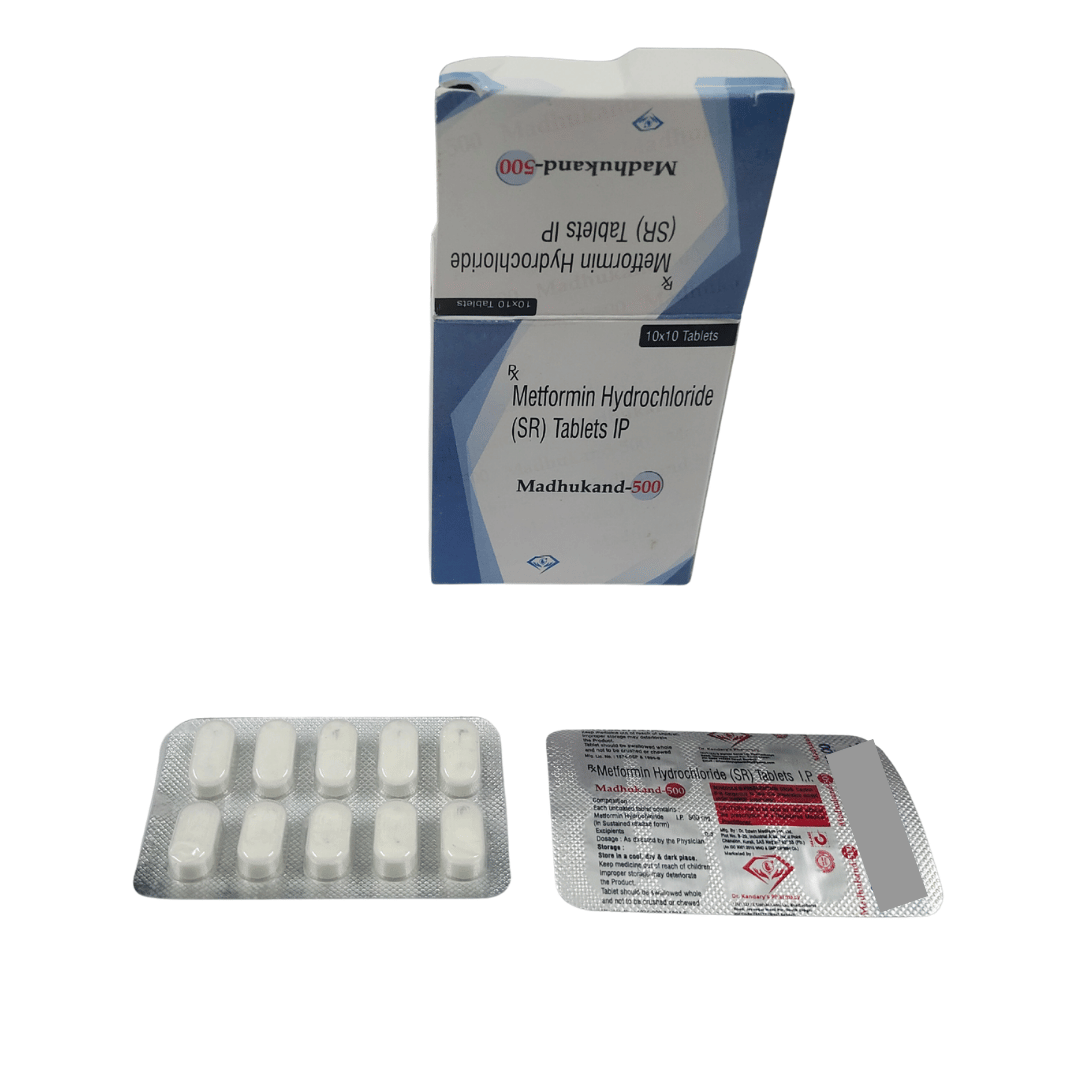
Product image for identification. Check the actual pack and package insert for product-specific instructions.
1. Composition
According to the supplied product information, MADHUKAND-500 Tablet contains:
2. Product Introduction
MADHUKAND-500 is a metformin-based medicine used in the management of type 2 diabetes. Metformin helps the body regulate blood glucose, particularly by reducing glucose production in the liver and improving insulin sensitivity.
The sustained-release formulation releases the medicine over time. It may help some people manage their prescribed daily treatment, but the appropriate dose and schedule depend on individual needs, kidney function, glucose readings and the specific product instructions.
3. Uses of Medicine
MADHUKAND-500 may be prescribed for:
- Management of blood glucose in people with type 2 diabetes mellitus.
- Helping improve glucose control when diet and physical activity alone are insufficient.
- Supporting a diabetes treatment plan, either alone or alongside other medicines when prescribed by a healthcare professional.
4. Benefits / Potential Benefits
When appropriately prescribed and used as directed, metformin may:
- Help reduce elevated blood glucose levels.
- Improve the body's response to insulin.
- Reduce glucose production by the liver.
- Support long-term diabetes management as part of an overall care plan.
Individual results vary. Benefits depend on consistent use, suitable nutrition, physical activity, regular monitoring and any additional treatment recommended by the clinician.
5. Possible Side Effects
Possible side effects of metformin include:
- Nausea or vomiting.
- Diarrhoea, abdominal discomfort or bloating.
- Reduced appetite.
- A metallic taste in the mouth.
Digestive symptoms may be more noticeable when treatment is started or the dose is changed. Contact your healthcare professional if symptoms persist or interfere with eating and drinking.
Rare but serious risk
Metformin can very rarely be associated with lactic acidosis, a serious condition in which lactic acid builds up in the body. Risk is higher in certain circumstances, including severe kidney impairment, significant dehydration, severe infection or low-oxygen states.
6. How to Use
- Take MADHUKAND-500 exactly as prescribed by your doctor.
- Follow the product-specific instructions about taking it with meals.
- Swallow the sustained-release tablet whole with water unless the official leaflet says otherwise.
- Do not crush or chew the tablet, as this may interfere with its release characteristics.
- Take it consistently according to your prescribed schedule.
- If you miss a dose, follow the leaflet or your clinician's advice. Do not take an extra dose to make up for a missed one.
- Continue recommended blood glucose and HbA1c monitoring.
7. How It Works
Metformin belongs to the biguanide class of antidiabetic medicines. It helps control blood glucose through several actions:
- It reduces glucose production by the liver.
- It improves the body's sensitivity to insulin, allowing glucose to be used more effectively.
- It can reduce some glucose absorption from the intestine.
Metformin does not usually stimulate insulin release directly, so when used alone it generally has a lower risk of causing low blood sugar than medicines that increase insulin secretion. The risk may rise when it is combined with other antidiabetic medicines.
8. Safety Advice
- Kidney disease: Tell your doctor if you have kidney problems. Kidney function should be assessed before and during treatment; metformin may be unsuitable in severe renal impairment.
- Dehydration: Vomiting, diarrhoea, fever or poor fluid intake can increase risk. Seek medical advice if you become significantly dehydrated or cannot keep fluids down.
- Severe illness or infection: Inform your healthcare professional if you develop a serious illness, breathing problems or a condition that reduces oxygen supply.
- Liver disease: Tell your clinician about liver problems or a history of lactic acidosis.
- Alcohol: Avoid excessive alcohol and ask your clinician about your personal risk.
- Contrast imaging and surgery: Tell the healthcare team that you take metformin before procedures involving iodinated contrast or periods of fasting. They will advise whether any temporary adjustment is needed.
- Other medicines: Provide a complete list of prescription medicines, over-the-counter products and supplements to your doctor or pharmacist.
- Vitamin B12: Long-term metformin use can lower vitamin B12 levels in some people. Ask your clinician whether testing is appropriate, especially if you develop anaemia, numbness or tingling.
- Pregnancy and breastfeeding: If pregnant, planning pregnancy or breastfeeding, consult your healthcare professional to review diabetes treatment.
9. Quick Tips
- Follow the prescription and product leaflet every day.
- Swallow the sustained-release tablet whole unless the official instructions state otherwise.
- Maintain the meal plan and physical activity recommended for your diabetes care.
- Attend scheduled blood glucose, HbA1c and kidney-function checks.
- Tell your healthcare professional about persistent digestive symptoms or new numbness and tingling.
- Tell doctors and radiology staff that you take metformin before surgery or contrast imaging.
- Store the medicine according to the package instructions and keep it out of children's reach.
- Never share prescription medicines with another person.
Important Medical Disclaimer
This page provides general educational information about MADHUKAND-500 Tablet based on the composition supplied. It does not replace the official product leaflet, a medical diagnosis or advice from a qualified healthcare professional. Confirm the exact formulation and instructions on the product packaging before use.
Do not start, stop or change diabetes medication without medical advice. The suitability of metformin depends in part on kidney function and other clinical factors. Seek prompt medical attention if you develop severe or unusual symptoms.






