
MADHUKAND G Tablet
Metformin Hydrochloride 500 mg Prolonged Release + Glimepiride 2 mg
MADHUKAND G Tablet is a combination medicine intended to help manage blood glucose levels in people with type 2 diabetes when a healthcare professional considers both ingredients appropriate. It combines prolonged-release metformin with glimepiride, an antidiabetic medicine that stimulates insulin release.
This medicine works alongside an individualised diabetes care plan, including suitable nutrition, physical activity and regular blood glucose monitoring. Glimepiride can cause low blood sugar, so taking the medicine with appropriate meals and following the prescribed instructions are important.
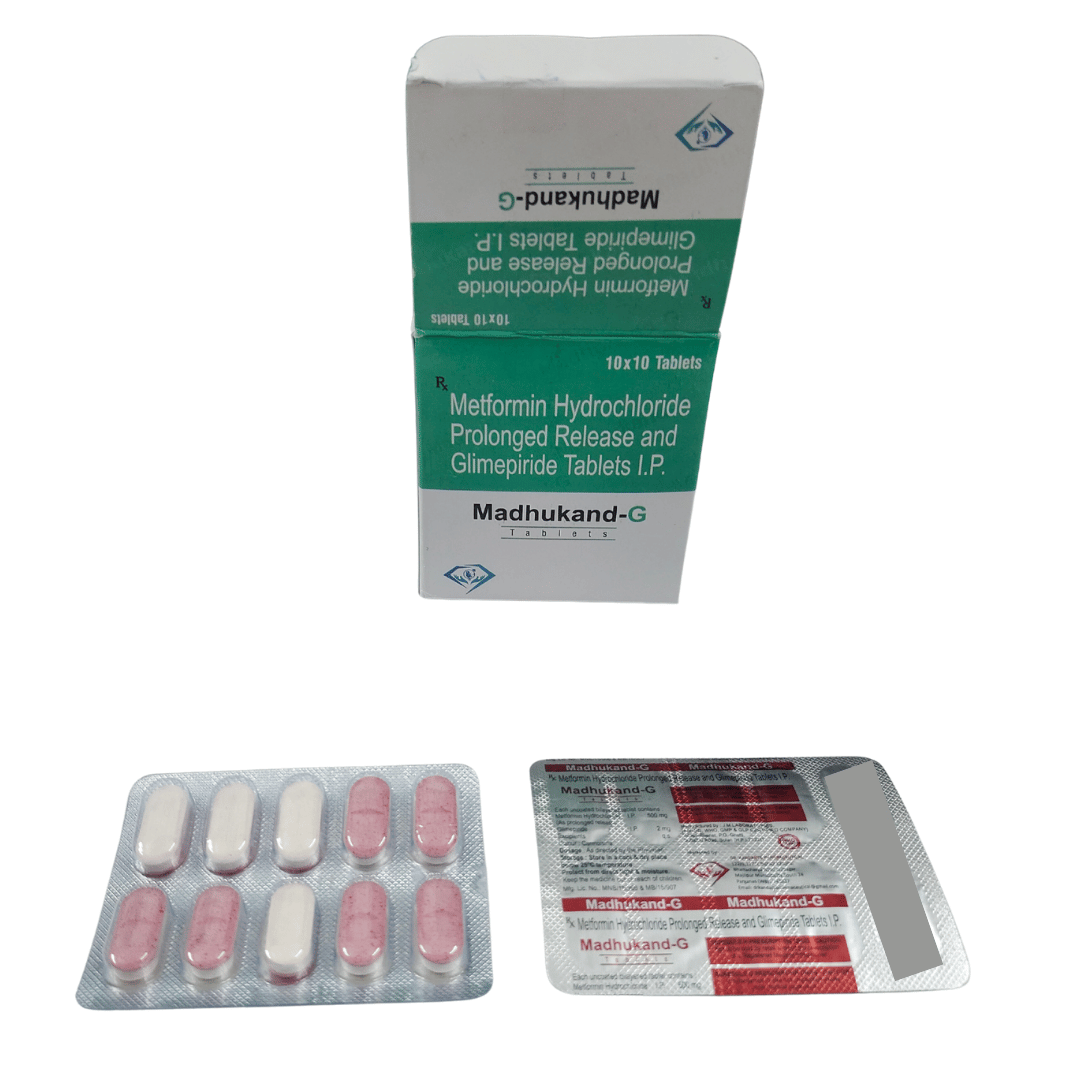
Product image for identification. Always check the actual pack and package insert for the confirmed formulation and instructions.
1. Composition
According to the supplied product information, MADHUKAND G Tablet contains the following active ingredients:
2. Product Introduction
MADHUKAND G combines two medicines that lower blood glucose through different mechanisms. Metformin reduces glucose production by the liver and improves the body's response to insulin. Glimepiride helps the pancreas release insulin.
The combination may be prescribed for adults with type 2 diabetes when the clinician determines that this treatment is suitable. The correct choice depends on blood glucose control, kidney and liver function, other medicines, meal patterns and the person's overall health.
3. Uses of Medicine
MADHUKAND G may be prescribed as part of a treatment plan for:
- Management of blood glucose in type 2 diabetes mellitus.
- Improving blood sugar control when a clinician considers a metformin and glimepiride combination appropriate.
- Supporting longer-term diabetes management alongside a suitable diet, physical activity and regular follow-up.
4. Benefits / Potential Benefits
When prescribed appropriately and taken as directed, the combination may:
- Help lower elevated blood glucose levels.
- Combine two complementary glucose-lowering mechanisms in one tablet.
- Support an individual's longer-term diabetes control when used consistently as part of a comprehensive care plan.
Results vary between individuals. Benefits depend on the prescribed regimen, meal consistency, physical activity, adherence and regular clinical monitoring. This medicine is not a substitute for healthy lifestyle measures or follow-up care.
5. Possible Side Effects
Possible side effects include:
- Nausea, diarrhoea, abdominal discomfort or reduced appetite.
- A metallic taste or other digestive symptoms, particularly when starting treatment.
- Low blood sugar (hypoglycaemia), especially if meals are missed, food intake is inadequate, exercise increases unexpectedly or alcohol is consumed.
- Headache, dizziness or weakness.
Recognise low blood sugar
Sweating, shaking, sudden hunger, palpitations, dizziness, confusion or unusual behaviour can be warning signs. Severe hypoglycaemia may cause seizures or unconsciousness and requires emergency assistance.
Metformin very rarely contributes to a serious condition called lactic acidosis, with increased risk in certain people, including those with severe kidney problems or acute dehydration. Seek urgent medical attention for unusual severe weakness, muscle pain, breathing difficulty, abdominal symptoms or marked drowsiness.
6. How to Use
- Take MADHUKAND G only in the dose and at the time prescribed by your doctor.
- Follow the product-specific instructions about meals. Glimepiride-containing combinations are commonly taken with a meal to reduce the risk of low blood sugar.
- Swallow the prolonged-release tablet whole with water unless the official product instructions state otherwise. Do not crush or chew it.
- Take meals regularly and avoid skipping meals after taking the medicine.
- Monitor blood glucose as advised and attend scheduled HbA1c and kidney-function checks.
- If you miss a dose, follow your clinician's or leaflet's advice. Do not double the next dose.
7. How It Works
Metformin Hydrochloride 500 mg prolonged release
Metformin primarily reduces the amount of glucose produced by the liver and improves insulin sensitivity. The prolonged-release formulation releases the medicine over an extended period according to its design.
Glimepiride 2 mg
Glimepiride belongs to the sulfonylurea group. It stimulates pancreatic beta cells to release insulin, helping lower blood glucose. Because it increases insulin release, it can cause hypoglycaemia.
Together, these ingredients help control blood glucose through complementary mechanisms. The combination is suitable only when its benefits and risks have been assessed for the individual.
8. Safety Advice
- Kidney disease: Tell your doctor about kidney problems. Metformin may be unsuitable in severe renal impairment, and kidney function should be assessed.
- Liver disease: Inform your clinician about liver problems, which may affect the safety of treatment.
- Low blood sugar: Be particularly careful if you are elderly, eat irregularly, undertake strenuous exercise or use other glucose-lowering medicines.
- Dehydration or acute illness: Vomiting, diarrhoea, fever or reduced fluid intake may affect medicine safety. Obtain medical advice promptly about whether treatment needs temporary adjustment.
- Alcohol: Avoid excessive alcohol and ask your clinician about your individual risk, as alcohol can increase the risk of hypoglycaemia and metformin-associated lactic acidosis.
- Other medicines: Tell your doctor about all prescription medicines, over-the-counter products and supplements. Some medicines can change blood glucose or increase side-effect risks.
- Pregnancy and breastfeeding: If pregnant, planning pregnancy or breastfeeding, seek prompt medical advice to review your diabetes treatment.
- Surgery or imaging procedures: Tell the treating team that you take metformin. Some procedures involving iodinated contrast or periods of fasting may require a clinician-directed plan.
- Driving: Check that your blood glucose is safe before driving. Hypoglycaemia can impair concentration and reaction time.
9. Quick Tips
- Take the tablet consistently according to your prescription and the product leaflet.
- Do not skip meals or change your diet drastically without discussing your plan with your healthcare professional.
- Keep a fast-acting source of glucose available if your clinician has advised you how to manage low blood sugar.
- Learn the symptoms of hypoglycaemia and explain them to family members or people who may assist you.
- Keep a record of blood glucose readings and bring it to follow-up appointments.
- Attend recommended HbA1c, kidney-function and other diabetes monitoring appointments.
- Store the medicine according to the package instructions and keep it out of children's reach.
- Never share prescription diabetes medicine with another person.
Important Medical Disclaimer
This page provides general educational information about MADHUKAND G Tablet based on the composition supplied. It is not a substitute for the official package insert, diagnosis or advice from a qualified healthcare professional. The exact product instructions, suitability and dose must be confirmed by the prescribing clinician and the product label.
Do not start, stop or change diabetes medication without medical advice. Seek urgent medical care for severe hypoglycaemia, loss of consciousness, seizures or symptoms that could indicate a serious medicine-related reaction.






